The Deck
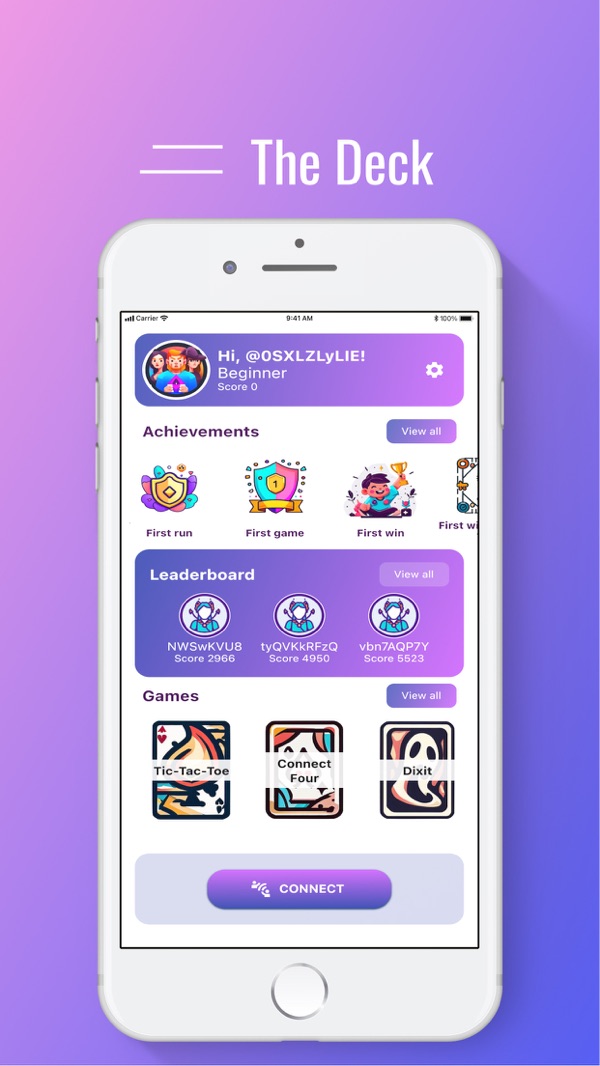
Game night, minus the missing cards. Classic party games on your phones, with one device in the middle as the table.
- GitHub stars
- 750+
- Hacker News points
- 323
Why
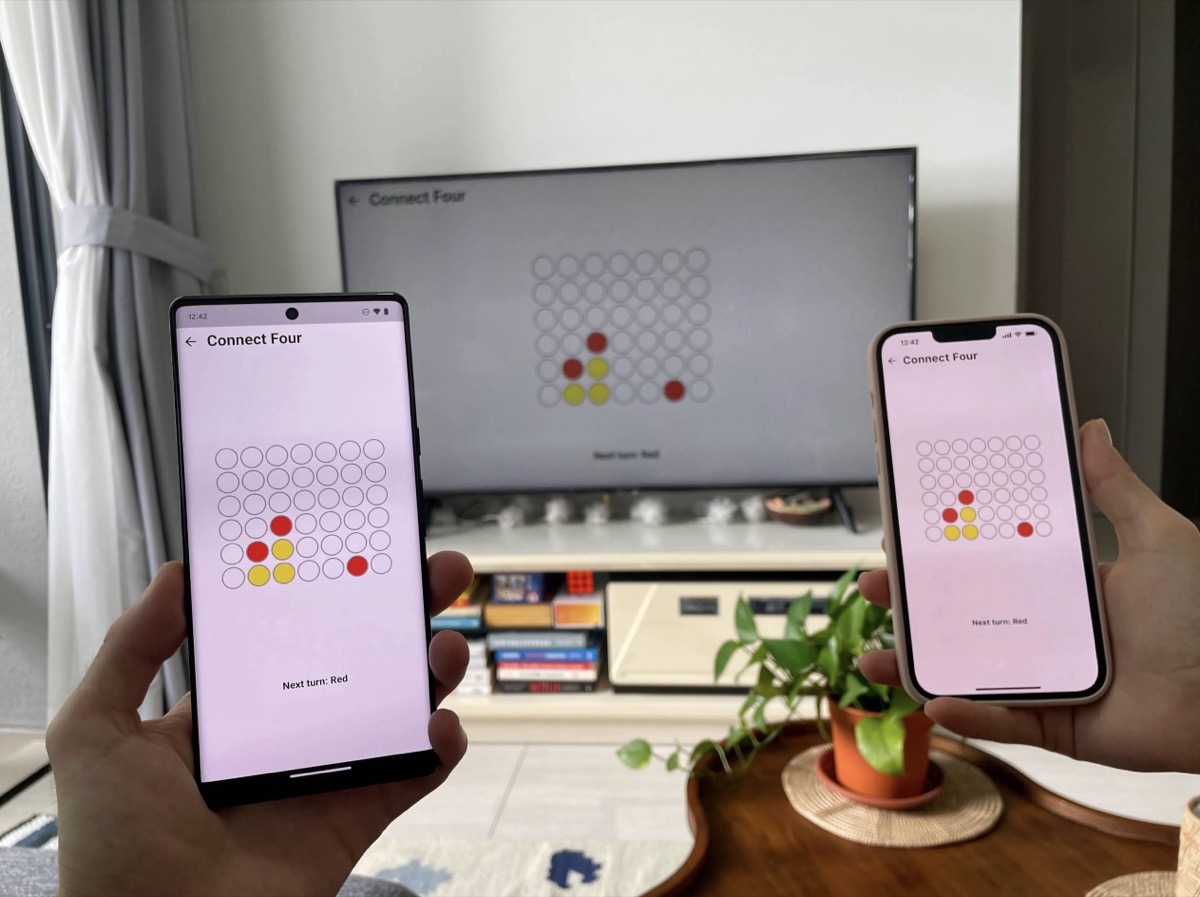
In 2023, I wanted to rescue a familiar game-night situation: the friends were there, but the cards weren’t. Everyone had a phone. Could those phones become the hands, with a TV, tablet or another phone in the middle as the shared table?
That shared screen was the idea worth building around. Players could make moves on their own devices while everyone followed the same game in front of them, keeping the group gathered around one table.
Generative image tools also made the project possible at a different scale. I used Midjourney and DALL-E for the icon, avatars, achievement badges and illustrated cards, then refined them in Figma. For a solo engineer, producing that much artwork had been a substantial obstacle. In 2023, it became something I could take on myself.
How
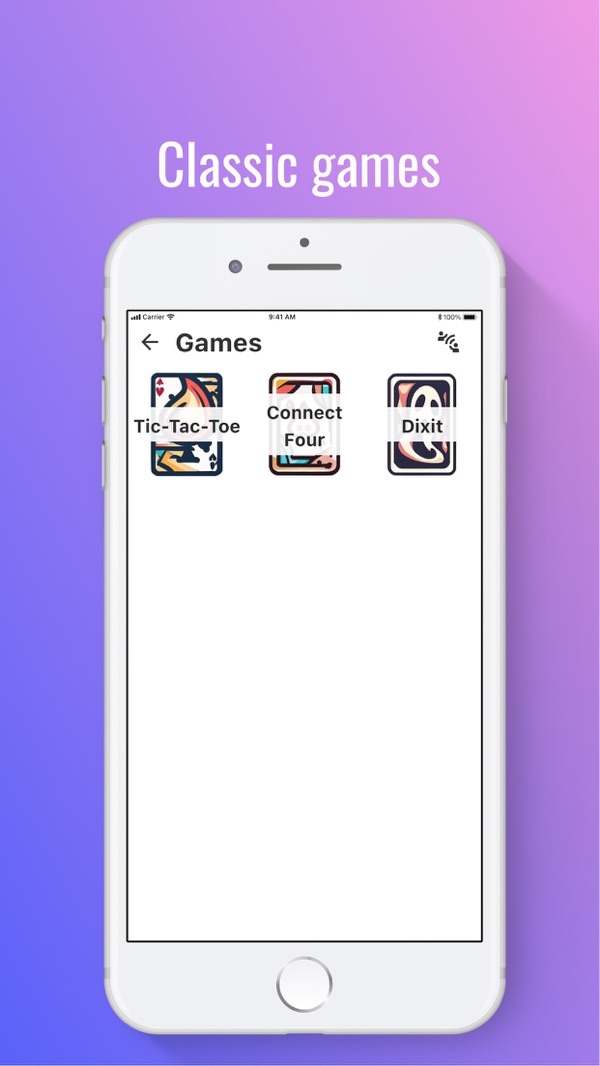
Choose a classic such as Tic-Tac-Toe, Connect Four, Dixit or Mafia, then gather your devices:
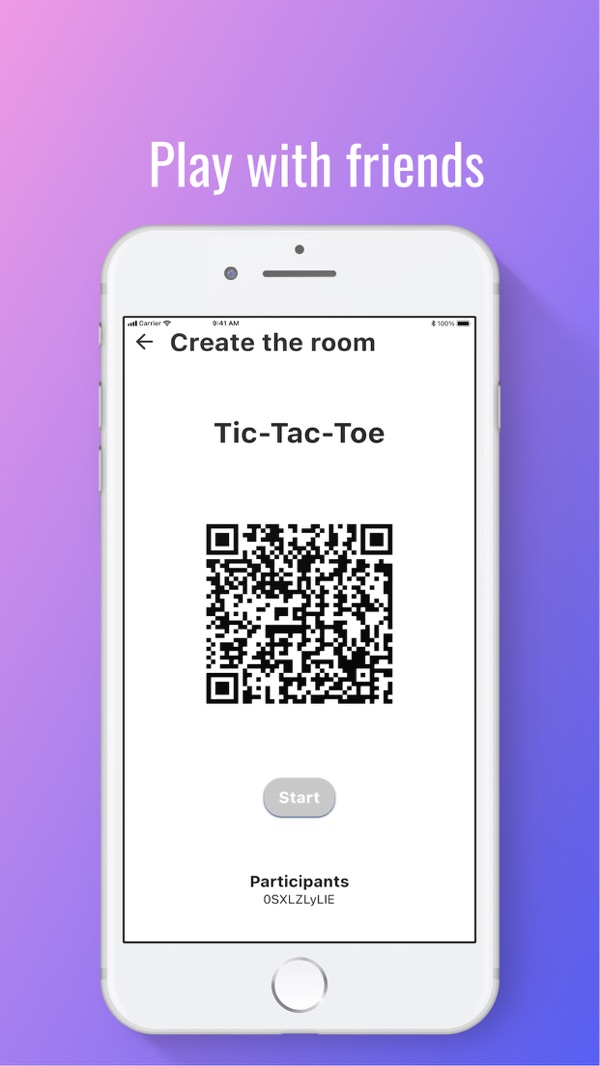
- Create a room on the device that will host the game. It can also be a player or serve only as the table.
- Join by QR code from the other devices on the local network. Gameplay works offline.
- Put the table in the middle: everyone sees the shared game state there and makes their moves on their own phones.
Profiles, achievements and a leaderboard carry the friendly competition between games.
The Deck launched on iOS and Android in May 2023 and barely attracted downloads. In February 2025, I open-sourced it, and it found a different audience: more than 500 GitHub stars in three days and a place at #5 on the Hacker News front page. The repository now has 750+ stars.

The app’s quiet launch wasn’t the end of the story. Opening the code let other engineers explore how it worked and use the game engine as a starting point for their own ideas. As I wrote at the time: engineers love gamedev, and writing a game can be more fun than playing it.